10 Best Affordable Microphones for the Home Studio
Microphones come in all different shapes and sizes. As we continue writing our microphone shopping guides, we’re presented here with one of our favorite makes of mics on the planet: dynamic. Although it really depends on your intended use (and a few other factors we list below), there are some pretty affordable dynamic mics out there that are super powerful in terms of quality and overall build. We made sure to choose ten within a broad range of price points and applications to give you some options. Let’s check out the top 10 best dynamic microphones available today.

So what exactly are dynamic mics used for? A variety of applications, actually. In fact, they’re one of the best microphones when it comes to versatility and overall use with just about any activity of recording or performing. They’re most typically used in live performance settings for vocals, but also any other instrument that needs projection, such as drums, guitar, guitar cabs, and more. Although we personally recommend using a condenser microphone for recording vocals and other instruments in the studio, dynamic mics are still used at times for this. It all depends on the person’s preference. However, we’ve come to learn that dynamic microphones are by far the best types of mics for performances\live applications. We can’t tell you how many artists\performers we’ve met who have more than one Shure SM57 or 58 in their toolbox just to have on deck. It’s a staple for many in the recording and performing realm.
Dynamic vs. condenser microphones
This can get to be a relatively long explanation, but to put it simply, dynamic microphones do not need phantom power, are typically cheaper, handle a higher SPL (depending on the preamp for the condenser mic, however), and are more suited for instruments other than your voice (in terms of performing, not recording). They’re also a bit lighter and can be held more conveniently, not to mention are less risky taking on the road since they’re typically lower in price (in case you break it).
When you’re looking to set up a decent home studio, it’s hard to find a way to stay within budget without ending up with a terrible sound. Here are ten options to minimize expenditure while still getting a decent sound out of your system at the end of the day, by buying smart when it comes to one of the most important types of studio equipment: microphones.
You may also want to check out some of these popular audio tracks from AudioJungle for use in your projects. Or you could hire an audio professional to help you get the best sound.
Here is the Short listed Studio Mics
Shure SM57
For about $100 give or take, you can pick up a Shure SM57 Microphone
(you can double that price for the popular two-packs, or the SM57/58 combo packs). Though I have no real evidence, I’ve heard reputable producers say that Lenny Kravitz uses the 57 on everything, from drums to guitars to voice. This is also the go-to microphone for distorted guitars, no matter what your budget is.
(you can double that price for the popular two-packs, or the SM57/58 combo packs). Though I have no real evidence, I’ve heard reputable producers say that Lenny Kravitz uses the 57 on everything, from drums to guitars to voice. This is also the go-to microphone for distorted guitars, no matter what your budget is.

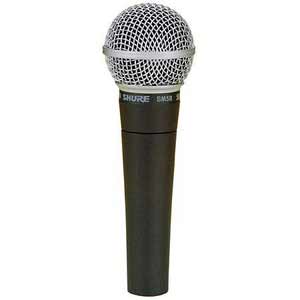
Shure SM58
The popular Shure SM58 Vocal Microphone
is a dynamic mic that can also be had for about $100, and cuts the budget nicely because you can use this baby live and in the studio. While there are better microphones out there for studio recording, this’ll give you a decent vocal sound on a small budget with nice boosts in all the right places. It’s also good for distorted guitars (though the 57 is usually the best choice here).
is a dynamic mic that can also be had for about $100, and cuts the budget nicely because you can use this baby live and in the studio. While there are better microphones out there for studio recording, this’ll give you a decent vocal sound on a small budget with nice boosts in all the right places. It’s also good for distorted guitars (though the 57 is usually the best choice here).
Many heavier artists use the 58 for their vocals even when they’re in expensive studios because of the amount of screaming it can take without distorting. If you’ve got a singer who is only comfortable singing with the microphone in hand, not on a stand, this is also a good choice. I’ve had good experiences using the SM58
on backing vocals, even when I’ve got a U87 or Rode Classic on the lead.
on backing vocals, even when I’ve got a U87 or Rode Classic on the lead.
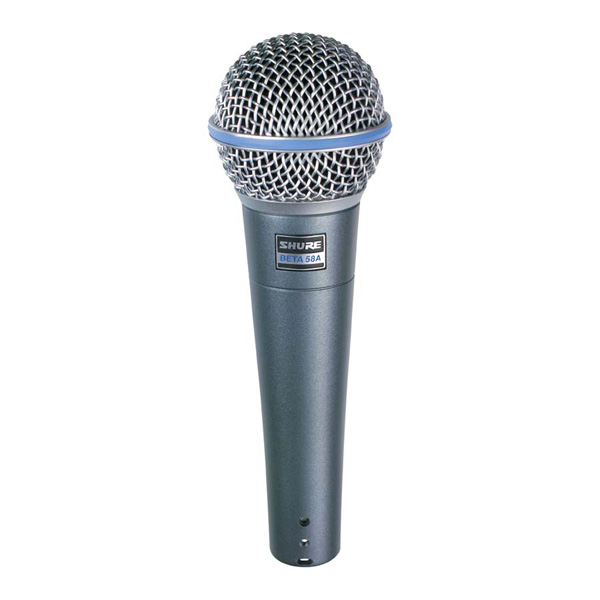
Shure Beta 58
Prices for this baby swing anywhere between $100 and $200. If you’re buying an SM58 because it’s a cheap vocal mic, as opposed to a cheap multi-purpose mic, and you’ve got an extra hundred in your budget, you may want to consider the Shure Beta 58A
instead. It’s considered by many to be far superior to the SM58 for vocal applications, though I haven’t heard much good news for the Beta on other instruments (if you have, let us know in the comments—I haven’t tried it on anything but vocals).
instead. It’s considered by many to be far superior to the SM58 for vocal applications, though I haven’t heard much good news for the Beta on other instruments (if you have, let us know in the comments—I haven’t tried it on anything but vocals).
Rode NT3
The NT3 Condenser Microphone
can be had for about $200—sometimes it’s closer to $300, but if you shop around and resist the impulse to buy immediately, you’ll find a good deal.
can be had for about $200—sometimes it’s closer to $300, but if you shop around and resist the impulse to buy immediately, you’ll find a good deal.
This microphone is great for acoustic guitars (especially in conjunction with an SM57 on the hole), percussion and drums—particularly those with a lot of high end, since these don’t catch as much bass. It’s also a pretty good choice for vocals, unless you’re recording a bass or baritone singer.

Rode NTK
If you want to use the same vocal mic as Chad Krueger used on Nickelback’s Long Road, this is the one. You can find the Rode NTK
for about $500, which seems a bit steep for this list, but investing in a good condenser is smart. And $500 is cheap—as everyone said when Long Road came out, “all you used was a freakin’ NTK?” But the NTK was used because Chad has a loud voice and this mic can take a beating of decibels without distorting, so it’s a good choice if you want something cheap, durable but clear and high-quality.
for about $500, which seems a bit steep for this list, but investing in a good condenser is smart. And $500 is cheap—as everyone said when Long Road came out, “all you used was a freakin’ NTK?” But the NTK was used because Chad has a loud voice and this mic can take a beating of decibels without distorting, so it’s a good choice if you want something cheap, durable but clear and high-quality.

Behringer C1
I’m almost embarrassed to say it, but if the NTK is too expensive for you, the Behringer C-1
is a decent replacement and has served me well in the past. It’s around $100. It won’t get you anywhere near the tone and quality of the NTK, but for home recording it does the job and it does it fairly well. It’s fair to say that most home recorders won’t have their rooms acoustically treated, so you won’t be able to pick up as much of a difference between this mic and the next (the room is the most important bit of studio equipment you can invest in, by the way).
is a decent replacement and has served me well in the past. It’s around $100. It won’t get you anywhere near the tone and quality of the NTK, but for home recording it does the job and it does it fairly well. It’s fair to say that most home recorders won’t have their rooms acoustically treated, so you won’t be able to pick up as much of a difference between this mic and the next (the room is the most important bit of studio equipment you can invest in, by the way).

M-Audio Nova
This large capsule condenser is about $130 and does a good job for the price—it’s probably a fair bit better than the Behringer C1. I don’t actually own one so I haven’t been able to test it rigorously, but enough trusted producers tell me it’s got great bang for buck that I need to list it here. I spent a few hours with it during one project and the Nova shouldn’t be missing from any list the C1 is on.

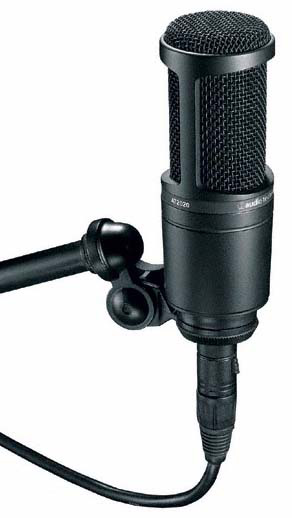
Audio Technica AT2020
The Audio Technica AT2020USB Condenser USB Microphone
can be had from anywhere between $100 and $150. It’s an excellent microphone specifically designed so that home users and project studios can get the most from their money, and can record everything from vocals to acoustic instruments to strings and drum overheads (and it has been engineered to be light enough to use it in this manner).
can be had from anywhere between $100 and $150. It’s an excellent microphone specifically designed so that home users and project studios can get the most from their money, and can record everything from vocals to acoustic instruments to strings and drum overheads (and it has been engineered to be light enough to use it in this manner).
Shure KSM27
Another offering from one of the most well-known microphone manufacturers in the world, the Shure KSM27 Microphone
can be had for about $300 to $400. It’s well worth it for this cardioid condenser that has been designed with the budget musician in mind: sensitive enough for the studio, but tough enough to withstand a go at your next show. It’ll do everything from vocals to acoustic instruments.
can be had for about $300 to $400. It’s well worth it for this cardioid condenser that has been designed with the budget musician in mind: sensitive enough for the studio, but tough enough to withstand a go at your next show. It’ll do everything from vocals to acoustic instruments.

Comments
Post a Comment